The problem with Stop and Droppers
Posted on February 12, 2010 at 9:29 am
After the tsunami there was a rush of people bringing their own goods to deliver to the tsunami survivors in Thailand. These people became known as Stop and Droppers because they would stop in a village, drop off stuff, and leave. This was partially driven by their distrust in large aid organizations, they wanted to make sure that their donation made it to the people in need. While well intentioned, stop and dropping creates a lot of problems that the stop and droppers themselves may never realize because they’re not in the area long enough to see the impact of their actions.
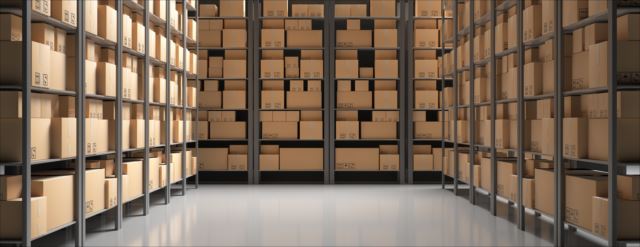
What do you do with boxes and boxes of stuff you can’t use?
One problem is the waste disposal issues that comes from receiving boxes and boxes of goods that are useless to the people receiving them.
There were the all too common shipments of winter coats, hats, and gloves to southern Thailand. These came in big boxes to the temporary camps who then had to figure out a way to dispose of them. Southern Thailand only has only two seasons – hot and wet.
A year after the tsunami I stumbled across a boarded up parking lot piled high with black plastic bags containing donated clothing. I shudder to think of the condition of those clothes after a year stored that way in the hot and humid climate of Thailand. They obviously weren’t needed and weren’t used, so now what?
Donations as a way to advertise or create a market for a product
One of the funniest donations was a truckload of baby food. A major baby food company drove a truck into a temporary camp, unloaded boxes of baby food, and gathered the kids in the camp for a photo op. After they drove off the boxes were opened and people stood there looking at the tiny bottles. What was that strange colored goo and what were they supposed to do with it? The bottles were passed around in curiosity and a few were opened for closer inspection. However, most remained in the original boxes stacked in the middle of the camp out in the rain. The cardboard eventually started to deteriorate and fall apart, making disposing of the bottles even harder.
Eventually three of the bottles of baby food made their way to a bus driver’s dashboard. When an American volunteer that spoke some Thai got on the bus the driver stopped him. He asked what was in the bottles and the volunteer tried to explain what strained peas were. The driver found it amazing that foreigners would actually feed that stuff to their children.
Donations of goods that could easily be purchased locally
I remember Thais speaking of their confusion over a shoe donation that included Adidas. Many of the people in the camp either worked at the Adidas factory or had a relative that did. They spoke of their ability to purchase shoes with slight flaws at a deep discount. So here were these used shoes being sent all the way back to Thailand when new ones could have been given out by the factory or purchased fairly cheaply.
Unequal distribution of aid
Stop and droppers did not have the time, resources, or knowledge to conduct a needs assessment to determine where their goods are needed the most. So instead they usually hired a local driver to take them to whatever temporary camps they knew about. This meant that camps that were located along major roads received more donations, while those far from the main road or on islands received far less help. People staying with relatives, instead of living in the camps, missed out on all stop and drop donations. This uneven distribution led to some villagers to try and move into camps closer to main roads.
Stop and Dropping leading to aid dependency
People quickly learned that if they went to work they missed out on handouts. Often the stop and dropper only gave to the people actually in the camp at that time of their visit or if they would leave the goods with the village headmen who might “redistribute” the aid to his family or political constituents.
Many stop and droppers gave out 1,000 baht bills. The average day laborer only made about 5,000 baht a month, so they could earn far more money staying home than going to work. Rubber tree farmers complained that they could no longer hire any day laborers because no one wanted to be away from the camps.
This random distribution process created some aid dependency as people could never predict what would come in, if it would be enough, and when it would all dry up. This meant they were not able to plan on how to best meet their own needs.
—–
Related Posts:
Good donorship and some early lessons from the earthquake response in Haiti
Voluntourism: what could go wrong when trying to do right
Sometimes, you need to do something
The worst in-kind donations and A contest to find the worst in-kind donation
Well intended attempts to help after a disaster may make a confusing situation worse
Six questions you should ask before shipping donating goods overseas
Posts from other blogs:
What IS it with the SHOES? – From Tales from the Hood who is on the ground in Haiti
Logistics questions around the Haiti earthquake
- A Humourless Lot – discusses the logistical challenges of moving goods after a disaster and the problems caused by unneeded goods
Don’t send baby formula to Darfur – GlobalHealth@Change.org – Informative article from Alanna Shaikh with links to other resources
Global Post wrote Haiti: Help with money, not stuff discussing the problems caused by donated medicine after disasters
The challenge of reverse logistics in global health – A Humourless Lot - looks at the problems that arise when too much is sent or things have to be sent back
« Why are there so many natural disasters lately? • How do you know if an organization deserves your donation? »